

Hepatology
Fatty liver on your ultrasound report: what it means and what to do next
Fatty liver is one of the most common findings on a routine ultrasound. Most people do well, but a few develop scarring. Here is…
The Digestive Alliance
Shared Expertise. Better Care.
LoadingFour specialists, one alliance. Senior consultants at Apollo Hospitals, Gurugram
Area of expertise
Liver disease is often silent until it is advanced. A hepatologist can tell you what an abnormal report really means, how much damage there is, and what will protect your liver from here.
Dr. Swapnil Dhampalwar consults atApollo Hospitals, GurugramGolf Course Road, Sector 28
Overview
Hepatology is the specialty of the liver, the gall bladder and the bile ducts. The liver can lose much of its function before it causes symptoms, which is why so many liver problems are first noticed as an abnormal blood test or a “fatty liver” line on an ultrasound report.
The most common liver condition today is metabolic dysfunction-associated steatotic liver disease (MASLD), previously called non-alcoholic fatty liver disease. It is closely linked to weight, diabetes and cholesterol, and in some people it progresses to inflammation (MASH), scarring and cirrhosis. Other important causes include hepatitis B and C, alcohol, autoimmune conditions and inherited disorders.
Modern hepatology can assess liver scarring without a biopsy in most people, using tests such as FibroScan and blood-based scores. Treatment then targets the cause. In advanced disease it manages complications such as fluid build-up, bleeding from varices and confusion, and plans for liver transplantation where it is needed.
Conditions & procedures
The full range of liver disease, including advanced liver disease and transplant hepatology.
When to see a specialist
A specialist opinion is worth having for any of the following. Vomiting blood, sudden confusion or severe jaundice need urgent care.
Meet the specialist
Hepatology
Senior Consultant, HepatologyApollo Hospitals, Gurugram
MBBS, MD, DM (Hepatology), Fellowship in Clinical & Transplant Hepatology
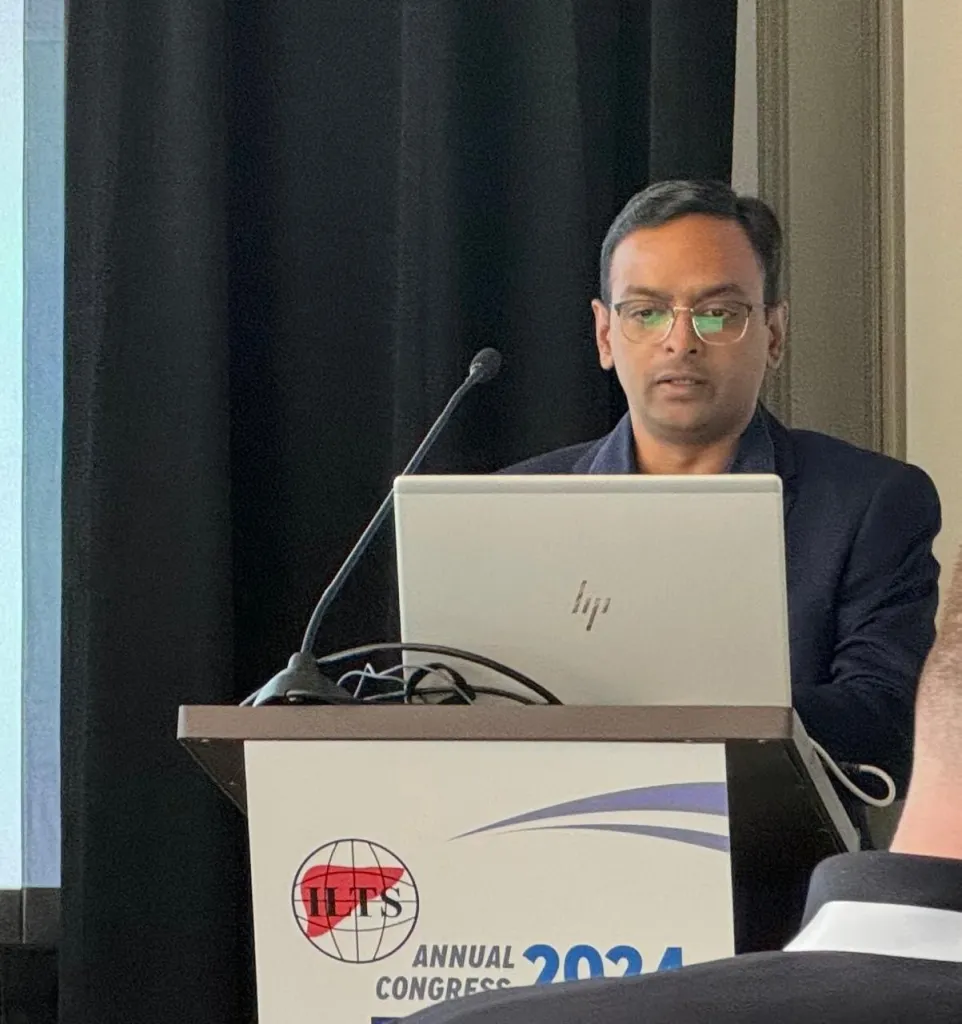
Clinical and transplant hepatologist trained at PGIMER, Chandigarh, who spent seven years as Senior Consultant at Medanta - The Medicity. His work spans fatty liver, cirrhosis, viral hepatitis, liver failure and transplant care.
Questions patients ask
General information only. Your specialist will advise on your own situation.
Fatty liver is very common and often reversible, but it should not be ignored. The key question is whether there is inflammation or scarring. A simple non-invasive assessment, such as FibroScan, tells you where you stand and how closely you need to be followed.
It is a painless, ultrasound-based test that measures liver stiffness, a marker of scarring, and liver fat. It takes about ten minutes, needs a short fast beforehand, and often avoids the need for a liver biopsy.
Often, especially when it is caught early. Fat and inflammation can improve with weight loss, control of diabetes and stopping alcohol, and treating hepatitis B or C can halt and partly reverse scarring. Advanced cirrhosis is less reversible, which is why early assessment matters.
Transplant is considered when the liver can no longer keep up, for example in decompensated cirrhosis, some liver cancers or acute liver failure. Assessment looks at the severity of liver disease, overall health and family support. Early referral gives more time to plan.
Watch
Short videos on the conditions and procedures in this field.

With the Medanta hepatology team (2025)

Liver cancer awareness session, Voice of Healthcare (2025)

NBT Life (2025)
Knowledge Centre
Hepatology
Fatty liver is one of the most common findings on a routine ultrasound. Most people do well, but a few develop scarring. Here is…
2 min read
Book a consultation
Daytime OPD at Apollo Hospitals, Gurugram, or an evening clinic if that suits you better.
Sector 28, Golf Course Road, Gurugram
Evening consultation details are being updated
Leave your number and the team will share the most convenient evening option with you.
Tell us what you are dealing with. The team will point you to the right specialist and the most convenient time and place to consult.